West Hollywood’s Infamous Past
& Colorful History
In the Beginning: Sherman
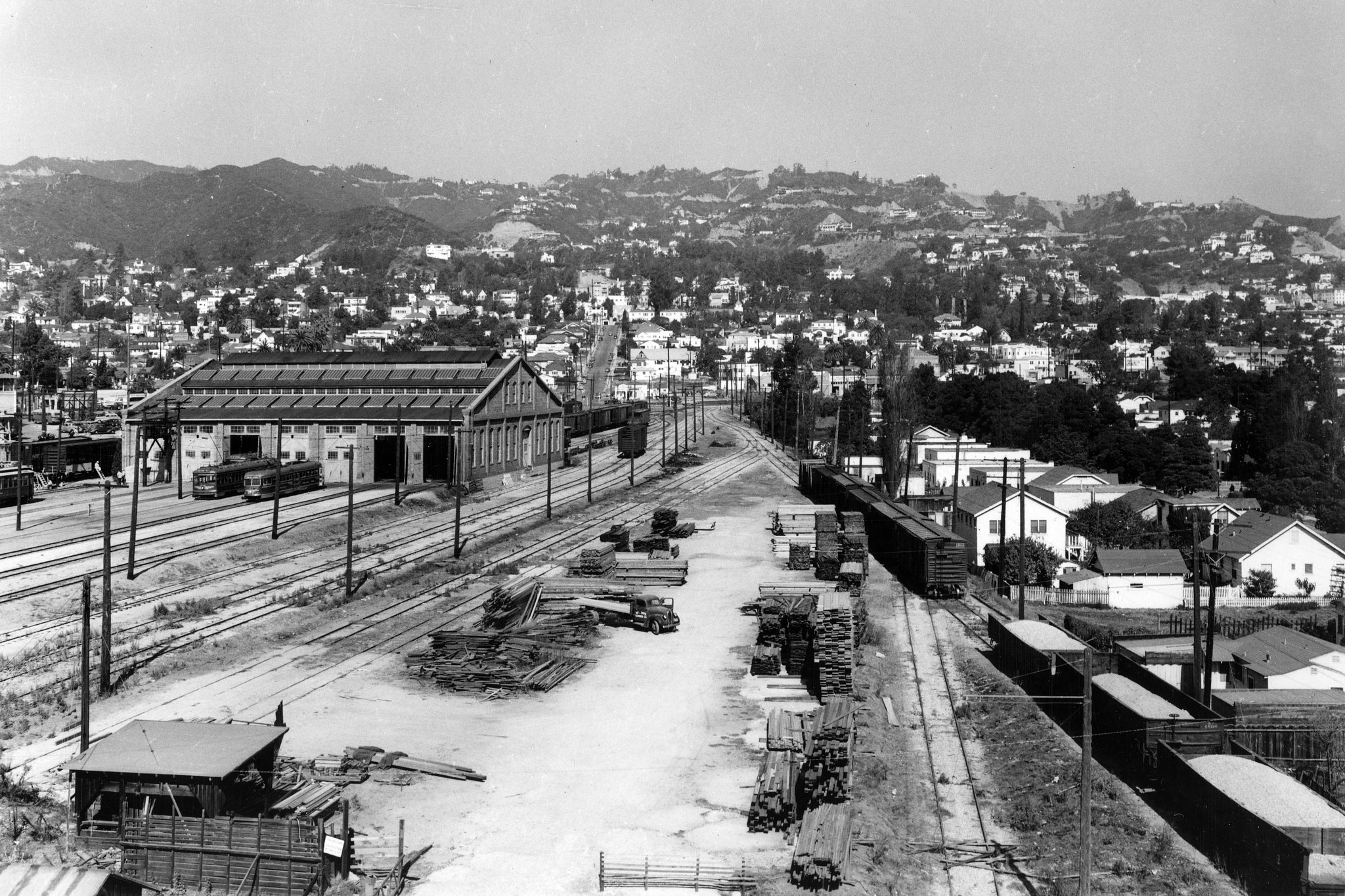
In 1886, a real estate developer and entrepreneur named Moses Hazeltine Sherman bought a portion of Rancho La Brea from Hancock in order to construct segments of two electric railways, the Pacific and the Pasadena lines, which connected Los Angeles to the small, beachfront town of Santa Monica. At the intersection of the two railways, he established the headquarters of his Los Angeles Pacific Railway Co., the railway’s power generators and a small residential area for railway workers — a settlement he named “Sherman.”
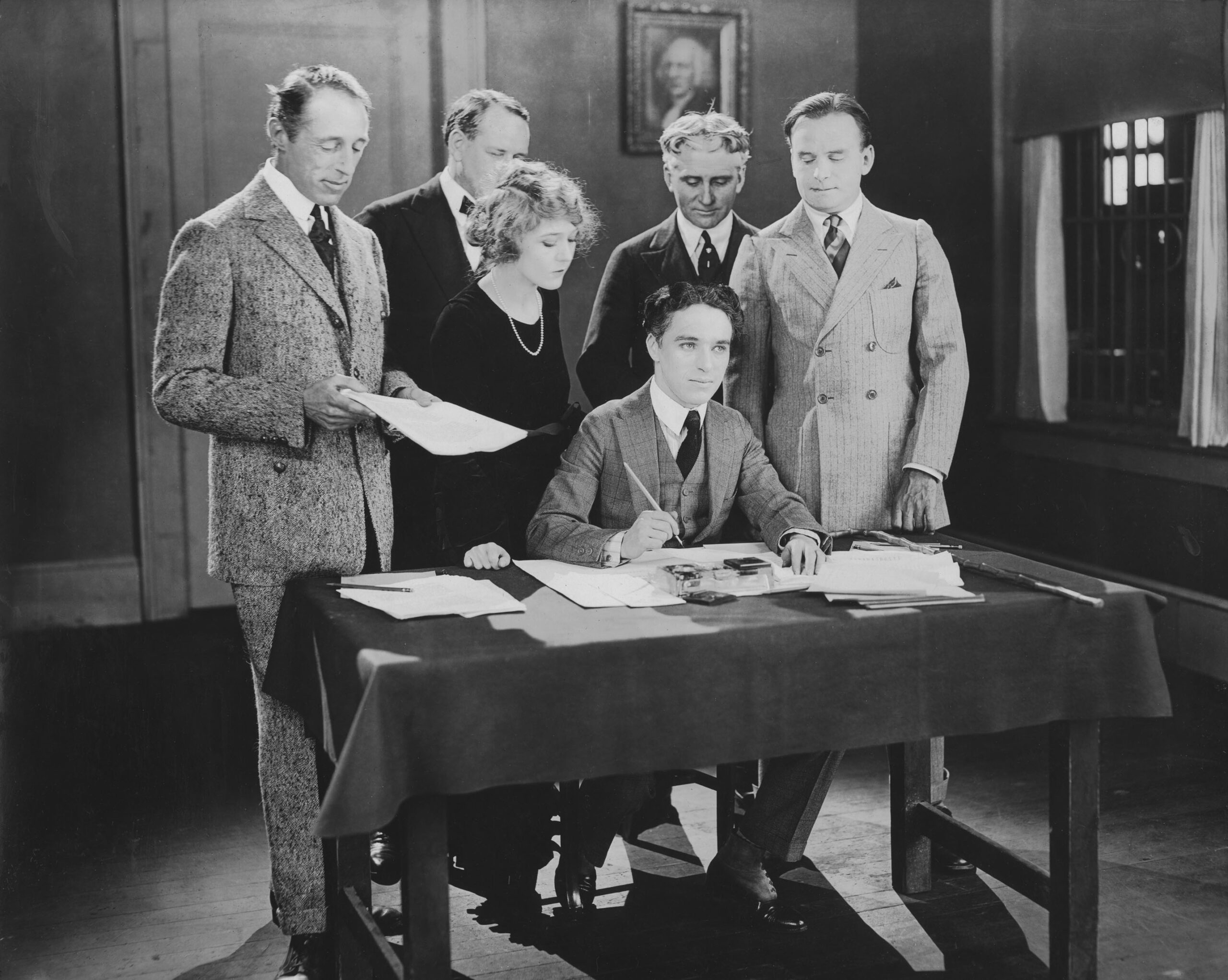
With the emergence of the motion picture industry in the early 20th century, the town of Sherman became an attractive residential area for film stars working in nearby Hollywood, and soon the movie business entered the city itself. After founding the United Artists production company, Charlie Chaplin, Mary Pickford and Douglas Fairbanks established the Pickford-Fairbanks Studios near Santa Monica Boulevard, which still exists today as The Lot.
In 1925, the inhabitants of Sherman voted to change the name to West Hollywood in order to emphasize its relationship to its glamorous neighbor. However, West Hollywood still technically remained not a city but an unincorporated region of Los Angeles County.
Emergence of the Sunset Strip
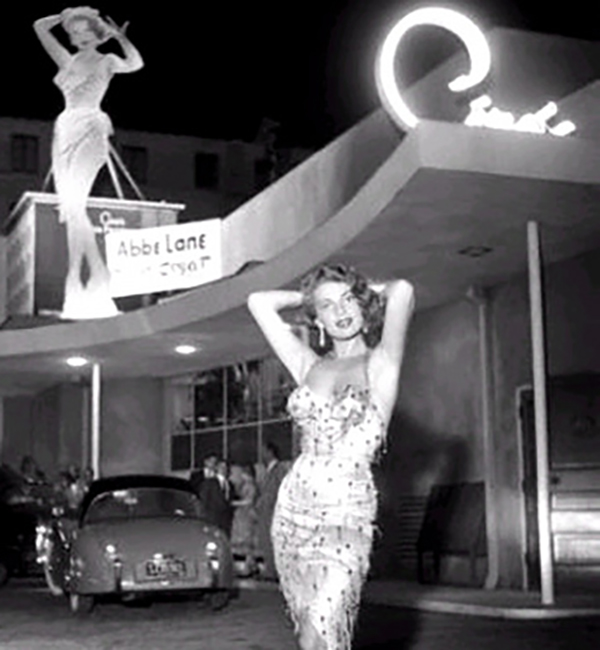
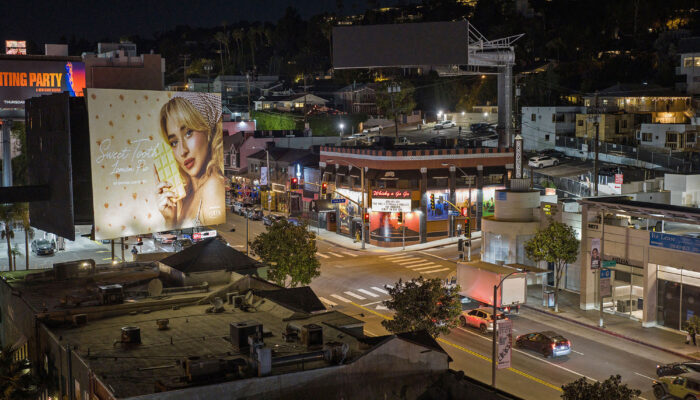
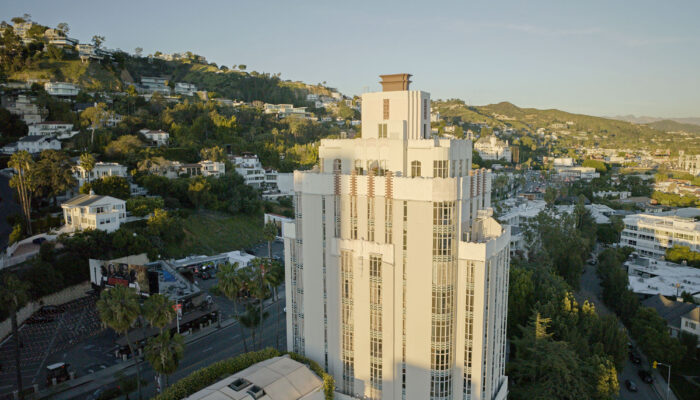
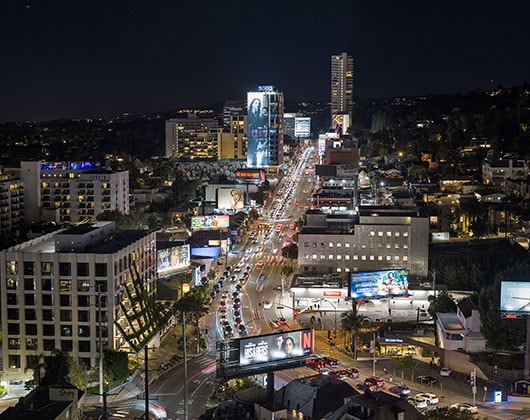
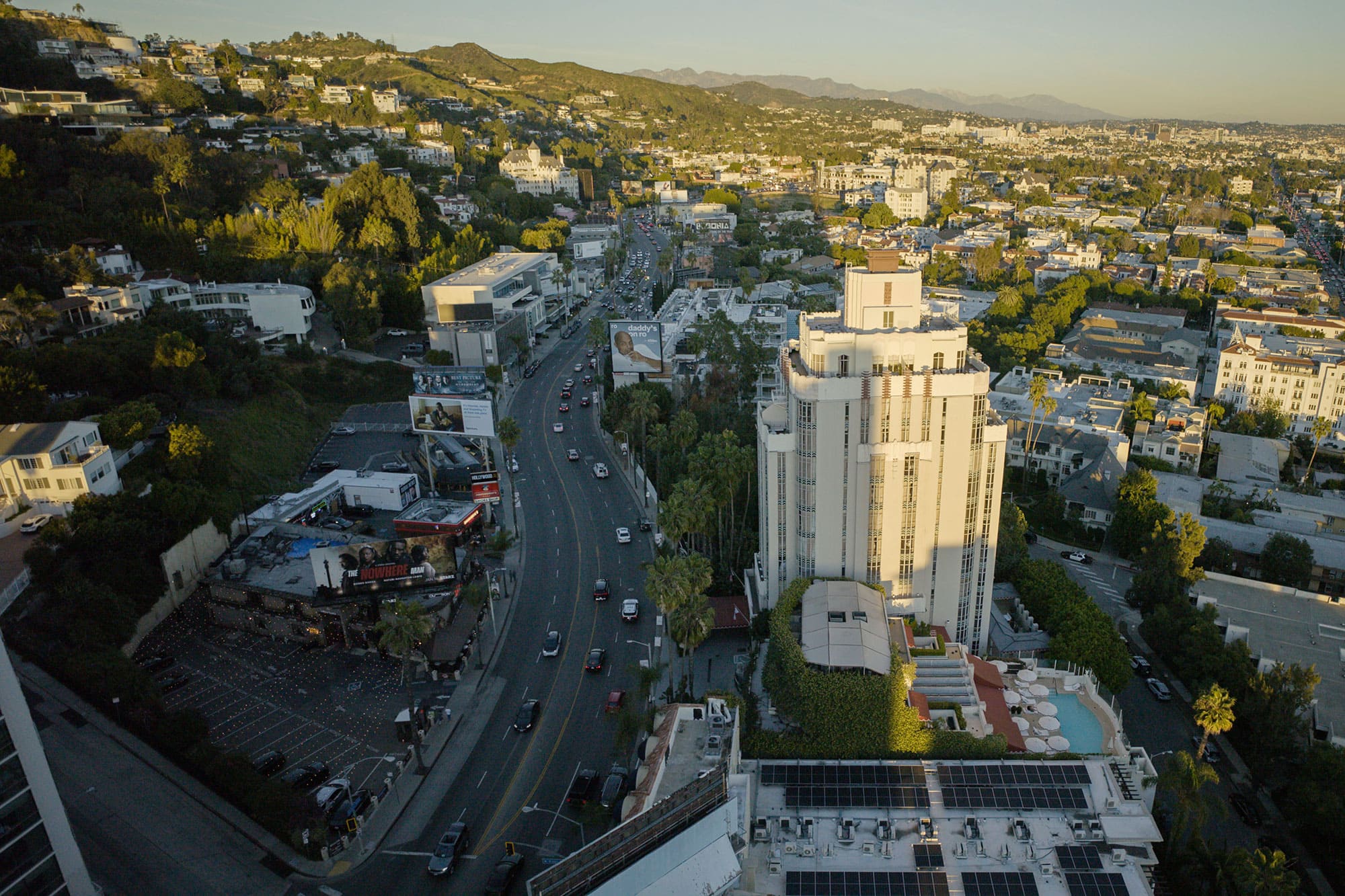
Due to its unincorporated status, West Hollywood both existed outside the jurisdiction of the Los Angeles Police Department and lacked a police department of its own. Loosely overseen by the Los Angeles County Sheriff’s Department, the region became a hotbed of liquor and nightlife. The dirt road at the northern border of West Hollywood, which served as the main commuter route between Beverly Hills and Hollywood, became known as Sunset Boulevard, and nightclubs, hotels and restaurants sprung up along the Sunset Strip.
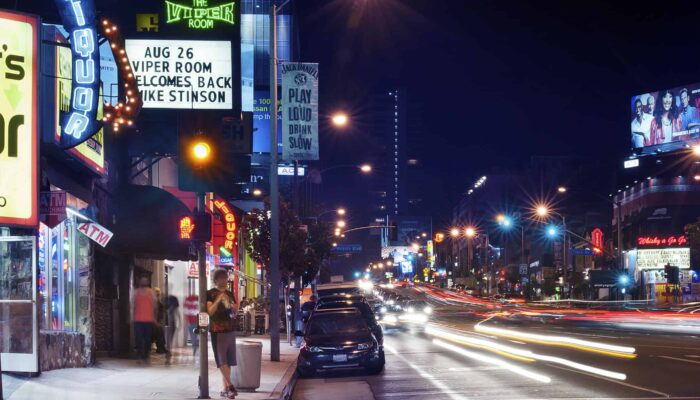
Gambling, which was legal in Los Angeles County but not in the City of Los Angeles, brought money and the attention of mobsters like Bugsy Siegel and Micky Cohen, regulars at Sunset Strip nightclubs like Ciro’s (now The Comedy Store) and the Melody Room (now the Viper Room). In the Golden Age of Hollywood, West Hollywood was the swankiest, most glamorous nightlife destination in the Los Angeles Metropolitan area.
By the 1950s, much of that mob-driven nightlife began to shift east. As organized crime figures followed new opportunities in Las Vegas — where casino gambling promised even bigger returns — many of the figures who shaped the Sunset Strip scene moved on. Their departure left West Hollywood’s nightlife landscape ready for reinvention.
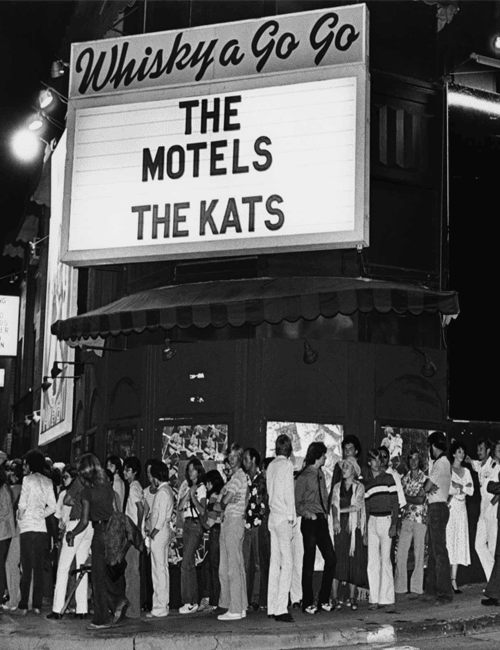
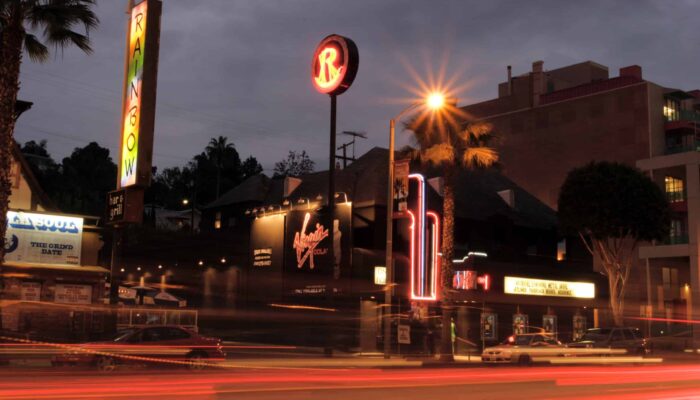
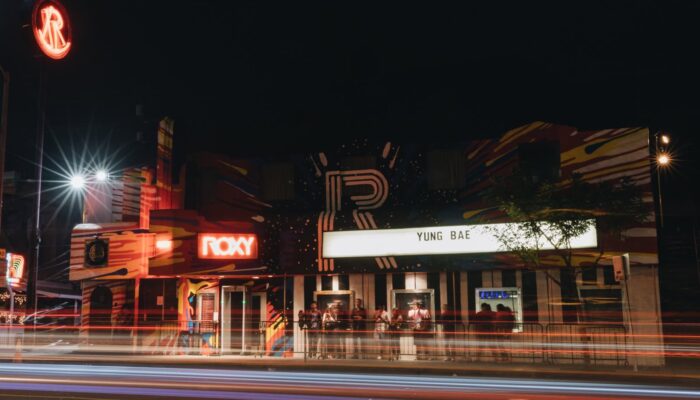
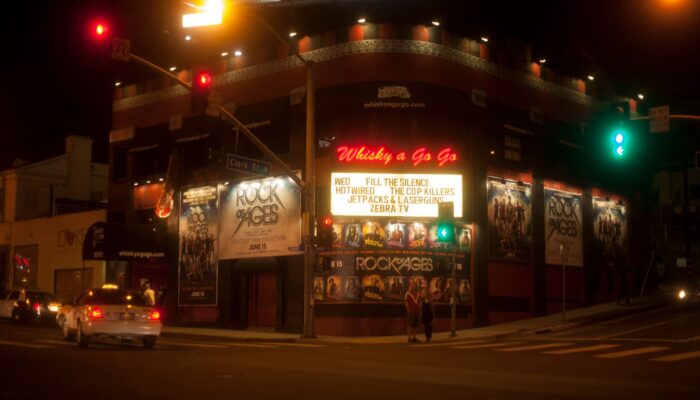
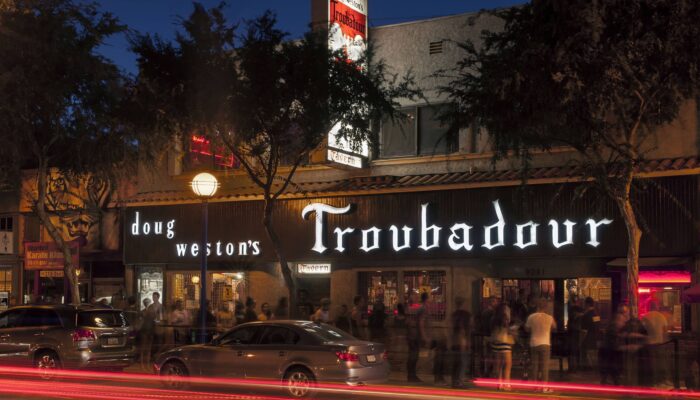
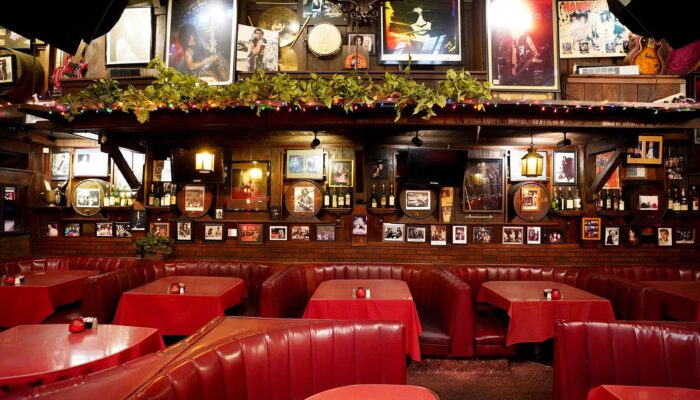
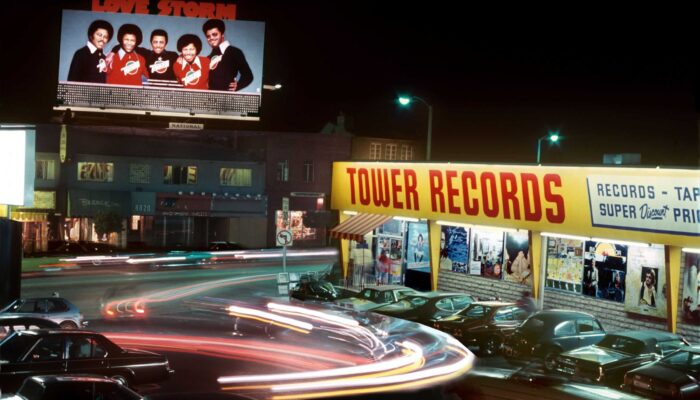
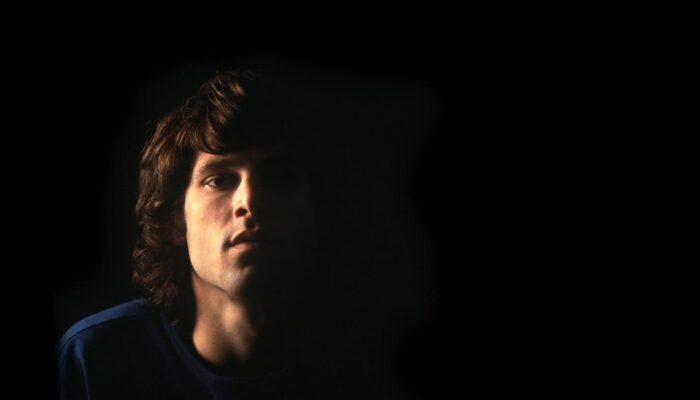
In the decades that followed, West Hollywood transformed into a hub for the 1960s rock ’n’ roll movement and a gathering place for the counterculture. Along the Sunset Strip — and just over the hills in nearby Laurel Canyon — a tight-knit community of musicians and artists reshaped American music, blending folk, rock and rebellion to create a distinctly California sound. Legends like Neil Young, Joni Mitchell, the Mamas & the Papas, Crosby, Stills, Nash & Young, and Buffalo Springfield mingled with rising acts such as The Doors and The Byrds, defining the sound and spirit of a new generation. Onstage, that energy came alive in iconic venues like The Troubadour, the Whisky a Go Go and The Roxy, where artists including Led Zeppelin and Elton John captivated audiences and cemented West Hollywood’s place in music history.
The Strip continued to be a cultural center for punk rock and New Wave during the late 1970s, and evolved into the epicenter of the colorful glam metal and heavy metal scenes during the 1980s. Groups including Van Halen, Mötley Crüe and Guns N’ Roses redefined the standard for excess, with West Hollywood serving as their playground.
Becoming a City
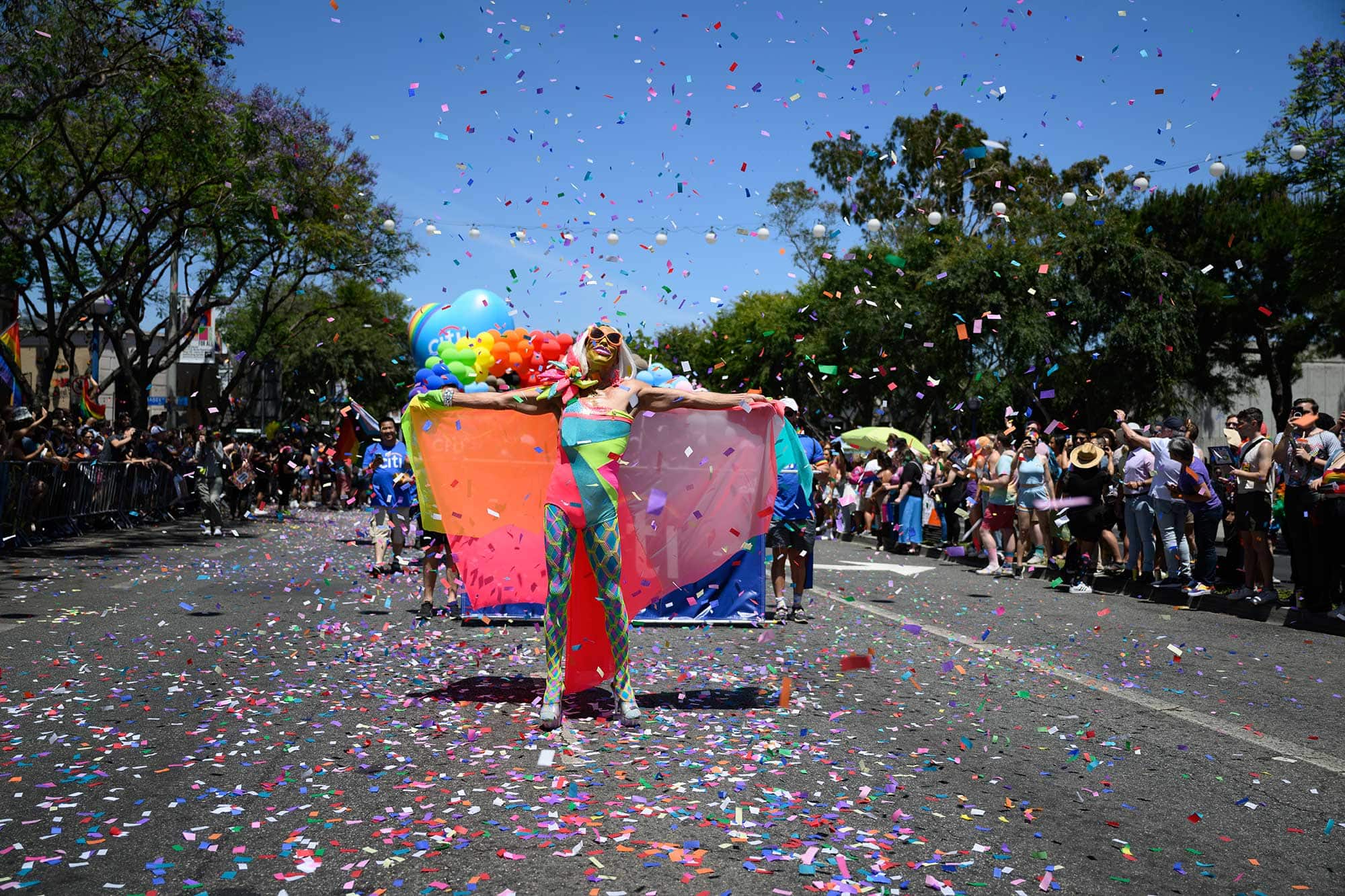
Meanwhile, dispossessed and underserved minorities, most notably gay, lesbian and genderqueer-identifying people, flocked to West Hollywood to escape the persecution they faced at the hands of the LAPD and other city departments. At the same time, an influx of Russian Jewish émigrés fled the USSR and began to settle in the area.
By the early 1980s, rent prices in West Hollywood had begun to skyrocket, and the region’s minority and elderly populations faced the prospect of being priced out of the neighborhood that they had helped create. In 1984, a coalition of gay men, Russian Jews and the elderly, spurred by the imminent expiration of Los Angeles County’s rent-control protections, successfully held a vote to officially incorporate the area as the City of West Hollywood, electing a city council with an openly gay majority and immediately passing a series of rent-control measures to protect its longtime citizens.
West Hollywood soon developed a reputation as a self-governed gay city and became a vanguard for progressive legislation, social change and LGBTQ culture.
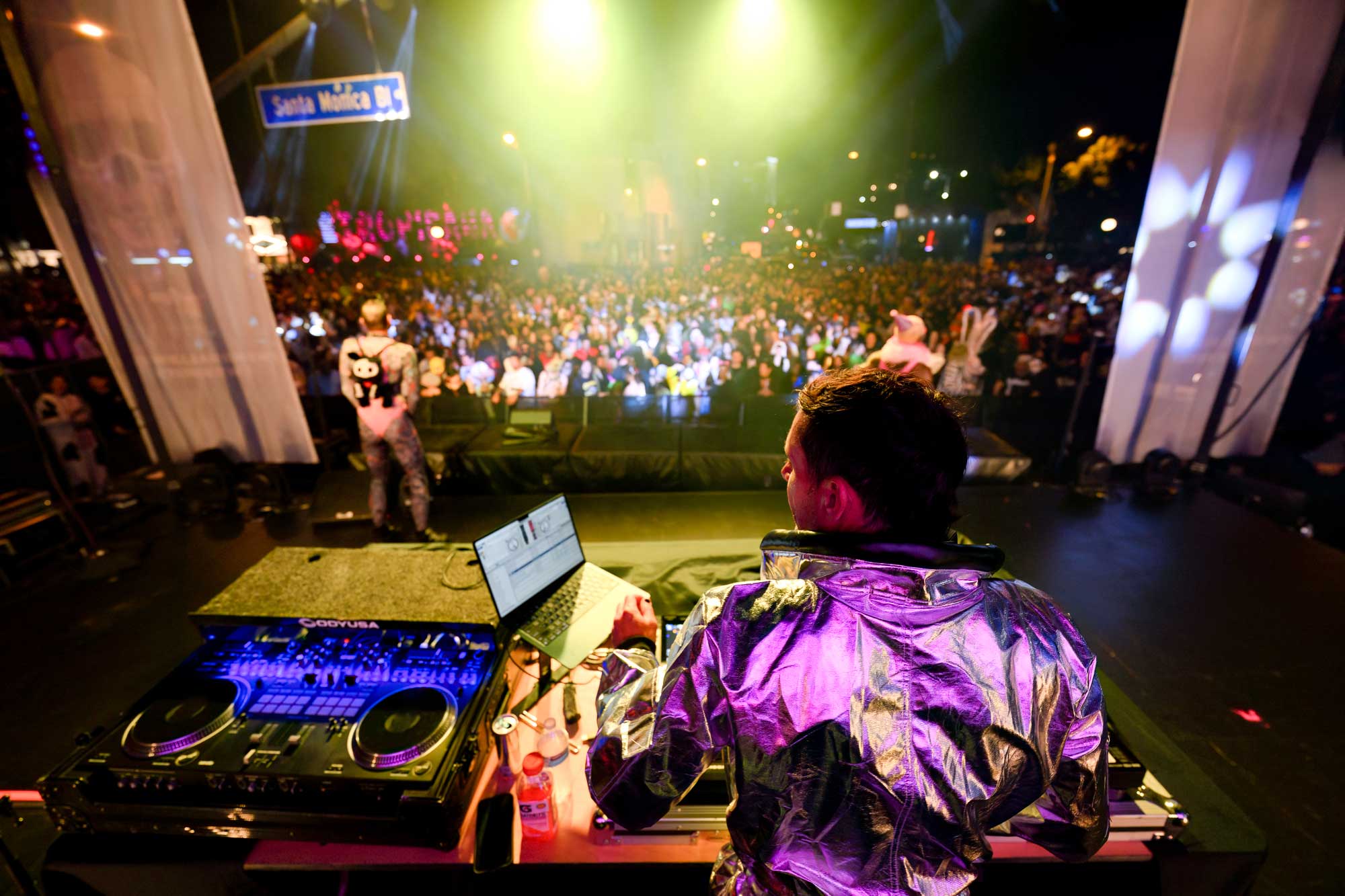
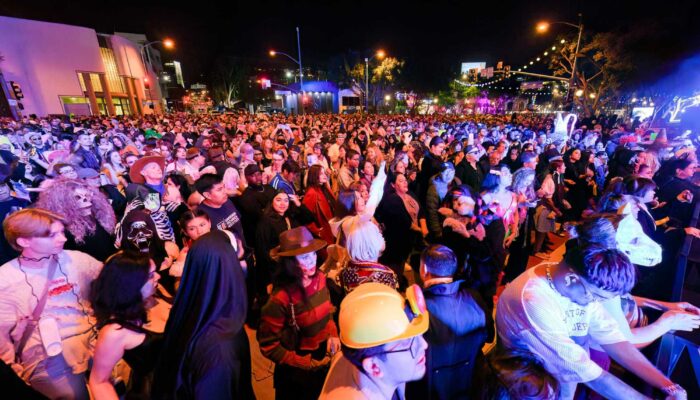
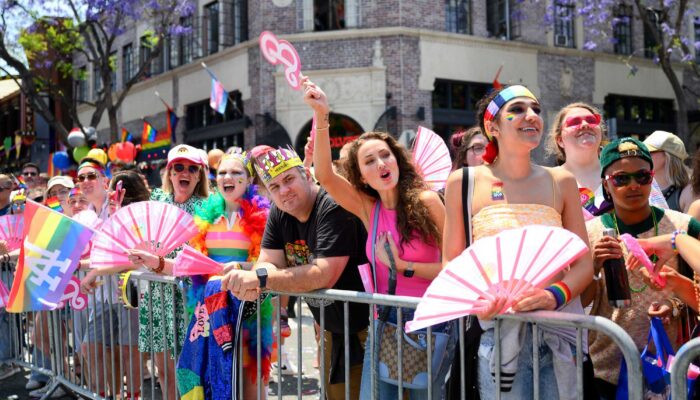
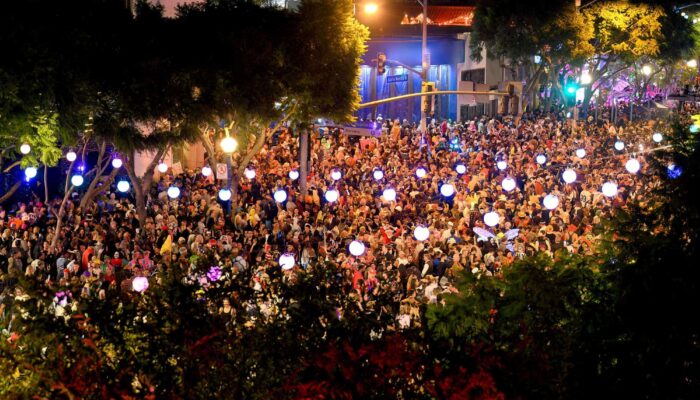
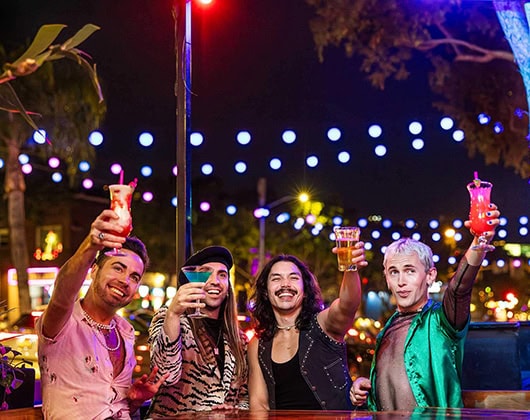
At present, the city has grown to 35,000 residents and remains Los Angeles’ hottest destination for the entertainment industry with its boutique hotels, celebrity-owned restaurants, unparalleled nightlife and shopping, and world-renowned events like the HBO Emmy Party, Sir Elton John’s Annual Oscar Party, WeHo Pride and the West Hollywood Halloween Carnaval, the largest Halloween street party in the world.
West Hollywood continues to set the standard for progressive, creative individuals on the cutting edge of trends and new ideas, working together as a community in one of the most exciting destinations in the country.
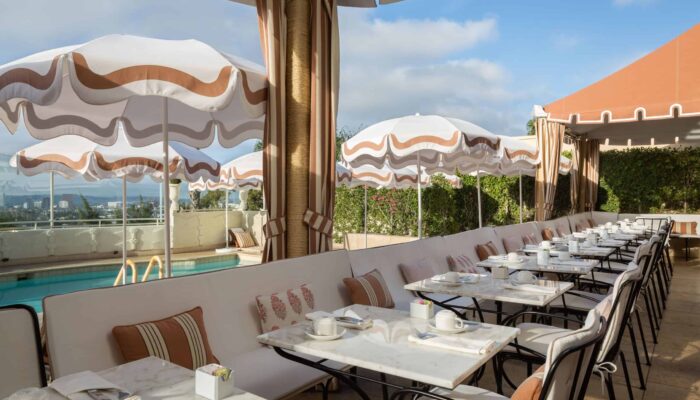
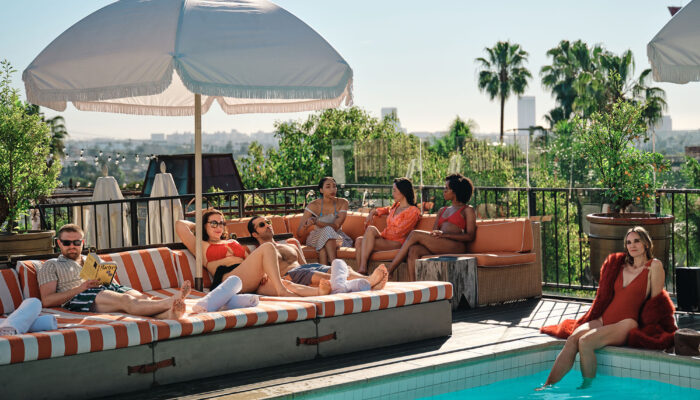
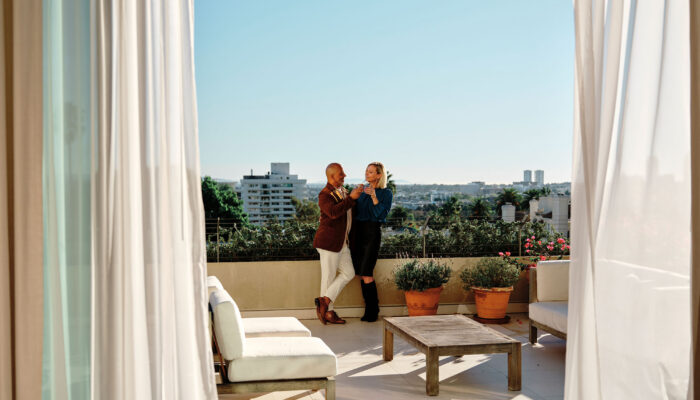
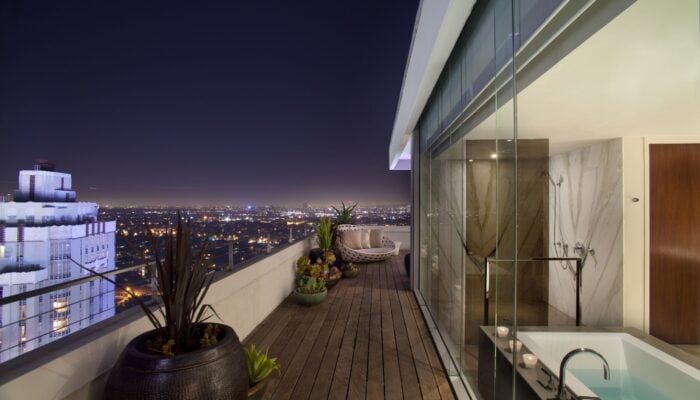
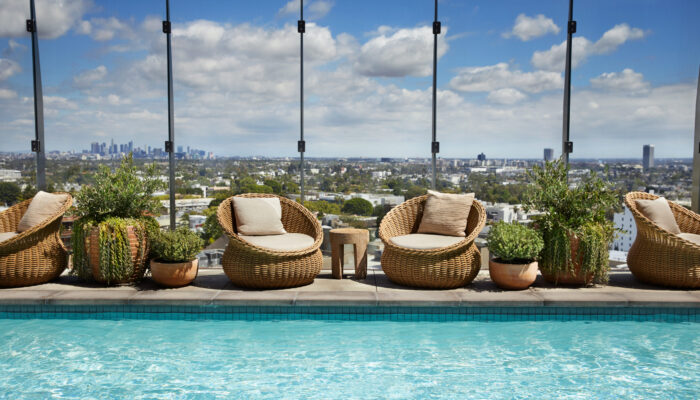
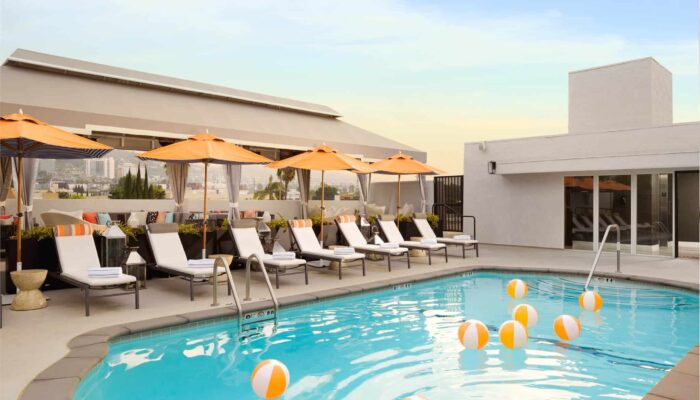
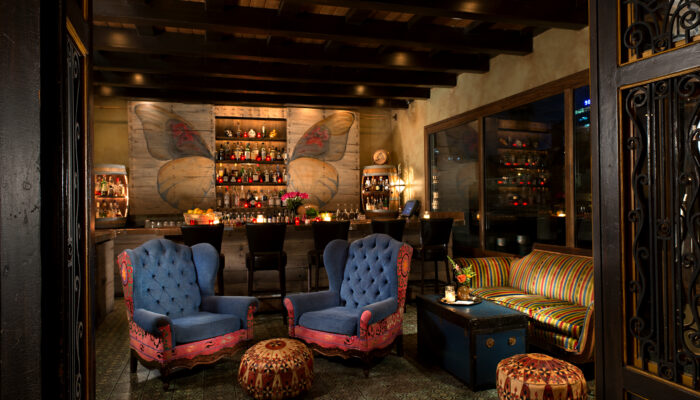
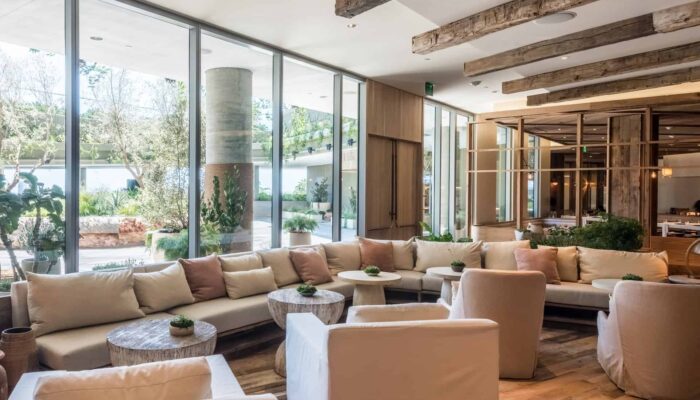
Today, a new wave of luxury hotels invites visitors to stay close to the action and experience the culture, nightlife and creative spirit that have shaped WeHo for generations.
Read More
West Hollywood Stories