Where Legends Got Their Start
Where Music Happens
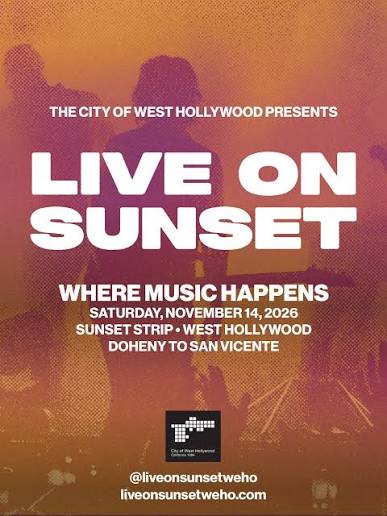
On November 14, 2026, the City of West Hollywood will host Live On Sunset: a free, one-day-only live music event, transforming the world-famous Sunset Strip into an outdoor celebration featuring performances by Sheryl Crow, Local Natives, and more.
Few places have shaped the sound and spirit of American music quite like West Hollywood, and this November, that legacy takes center stage once again. But the Sunset Strip’s influence extends far beyond any single event. Its history is one of continual reinvention that made this stretch of Sunset Boulevard an enduring force in the music industry, and the perfect place to continue celebrating the art of live music with this incredible event.
Along the Boulevard


Within just about a mile and a half of Sunset Boulevard, the Sunset Strip represents decades of American music history, revolution, and lasting impact on the industry. Psychedelic rock, punk, hard rock, and glam metal all emerged on this legendary stretch of Sunset, defining both the sound and spirit of their respective decades. Throughout the years, musicians came to the Strip to imagine what American music could become, and generations of storytellers followed to decide what that history would mean for the future of entertainment. Along this short stretch of the Boulevard, musical movements emerged, collided, and reinvented themselves, all while transforming local clubs into landmarks of American culture.
But as this area became legendary, the stories behind its influence grew more complicated, and some were lost altogether. Throughout its history, the Sunset Strip has built a legacy that is as much a product of myth as it is of the music itself.
The 1920s: Before the Rock Star
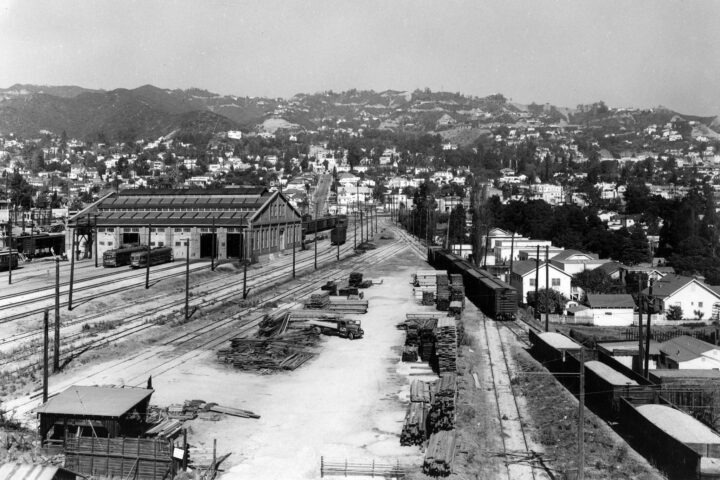
Before the City of West Hollywood was incorporated in 1984, the area known as the Sunset Strip was located in a largely unorganized and relatively unregulated area of Los Angeles County. As Hollywood became a major center of filmmaking in the 1920s and 1930s, the Strip’s location outside of LA city limits allowed a nightlife culture to grow in the area. During this time, clubs, restaurants, and gambling establishments attracted Hollywood figures and entrepreneurs, establishing a nightlife culture that blended glamour with a spirit of rebellion. This mix of celebrity, experimentation, and unconventional entertainment laid the groundwork for the Strip’s emergence as a landmark of music history. Perhaps most importantly, these conditions allowed the Strip to eventually become a place where American music could challenge convention while remaining at the forefront of cultural conversation.
The 1960s: When Rock ‘n’ Roll Became Rebellion
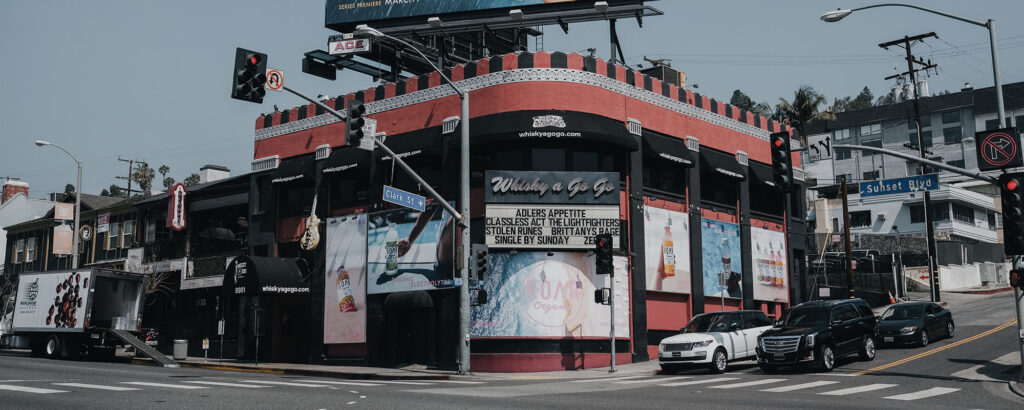
In January 1964, the Sunset Strip became home to the Whisky a Go Go, a venue that helped establish the area as a major destination for live music and rock ‘n’ roll in particular. This era witnessed a true generational shift throughout the nation, and West Hollywood was no different, with the Strip becoming a symbol of that shift. The Whisky’s opening marked an important moment in the development of LA’s rock scene. Its combination of live music, dancing, and a more youthful environment distinguished the Whisky from the more traditional nightclubs of the past, especially as it gave emerging artists a place to perform rather than catering only to big stars.
It’s impossible not to talk about The Doors when discussing the Strip in the1960s.The band began a residency at the Whisky a Go Go in 1966, establishing a new sound in the rock music scene: a combination of blues, psychedelic, and experimental rock. The Whisky and the wider Sunset Strip music scene gave The Doors and other musicians and groups experimenting with sound a platform to explore new approaches to rock music. Clubs like the Whisky allowed musicians to experiment in front of audiences night after night, often performing for the same audience while also exposing them to a wider crowd.
The club scene along the Strip in the 1960s functioned like a testing ground for new sounds, musical identities, and performance ideas. Bands like The Doors were able to develop both their stage personas and musical craft while also gaining exposure to the wider music industry. Aside from live performances, recording studios along the Strip allowed musicians to transform the music they developed during those live shows into recordings that would reach audiences worldwide. In addition to the Doors, bands and singers such as the Byrds, Love, Frank Zappa, and Buffalo Springfield found a home within the Strip’s music scene, fundamentally changing the way music was made, listened to, and performed.

The 1970s and 80s: Changing Sounds for Changing Times
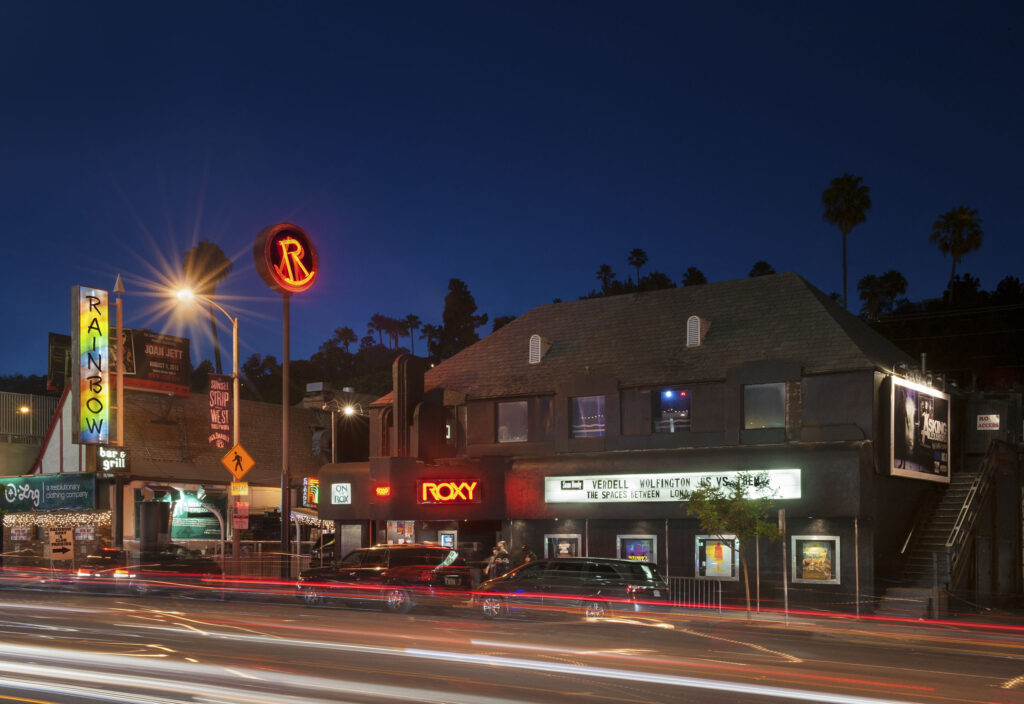
Expanding the Strip’s network of live-music venues, the Roxy Theatre opened in September 1973 with three nights of performances by Neil Young. It didn’t take long for this new venue to become one of the most prominent clubs in Los Angeles. The Roxy would eventually host musical greats such as Linda Ronstadt, Bob Marley, Stevie Nicks, Prince, and many others. The cult classic Rocky Horror Show also rose to icon-status at the Roxy when Roxy owner Lou Adler brought the show to the U.S. after seeing it performed in London. The show’s premiere, starring actor Tim Curry (who would also play the notorious Dr. Frank-N-Furter in the movie version) welcomed iconic audience members such as Cher, Mick Jagger, and John Lennon.
The Roxy became an essential venue during the first wave of punk rock in the late 1970s and early 1980s. Bands like The Screamers and The Germs brought punk’s raw, unconventional sound to a wider audience, helping introduce a new musical identity to the Sunset Strip.

Meanwhile, hard rock and new wave gained traction across the LA music scene, followed by the rise of glam metal in the 80s with bands like Mötley Crüe and Guns N’ Roses. Venues including the Roxy, the Whisky, Gazzarri’s, and the Troubadour, where Elton John made his U.S. debut in 1970, gave artists across genres space to perform, experiment, and build loyal followings. Rather than producing one defining sound, the Strip became a shared space where musicians could push boundaries and audiences could discover an ever-evolving range of sounds.

The 1990s and 2000s: From Rock Mythology to Pop Culture
As the new millennium approached, the Strip became a place where careers, images, and cultural moments took shape. Record releases, music videos, and iconic billboards along Sunset Boulevard turned music into a visual and commercial spectacle.
In 1993, actor Johnny Depp and business partner Sal Jenco opened The Viper Room, which soon became a celebrity hotspot. Its mythology grew from moments like its opening-night performance by Tom Petty and the Heartbreakers to the tragic death of actor River Phoenix outside the club that October.
Grunge, alternative rock, and punk continued to shape the music scene through the 1990s as acts like Pearl Jam, Green Day, and System of a Down gained popularity. The lines between mainstream and underground music blurred as alternative artists gained wider recognition. The Viper Room hosted acts that ranged from Oasis and The Strokes to Johnny Cash and Maroon 5, while the nearby Troubadour hosted early performances by Fiona Apple, Radiohead, and No Doubt.
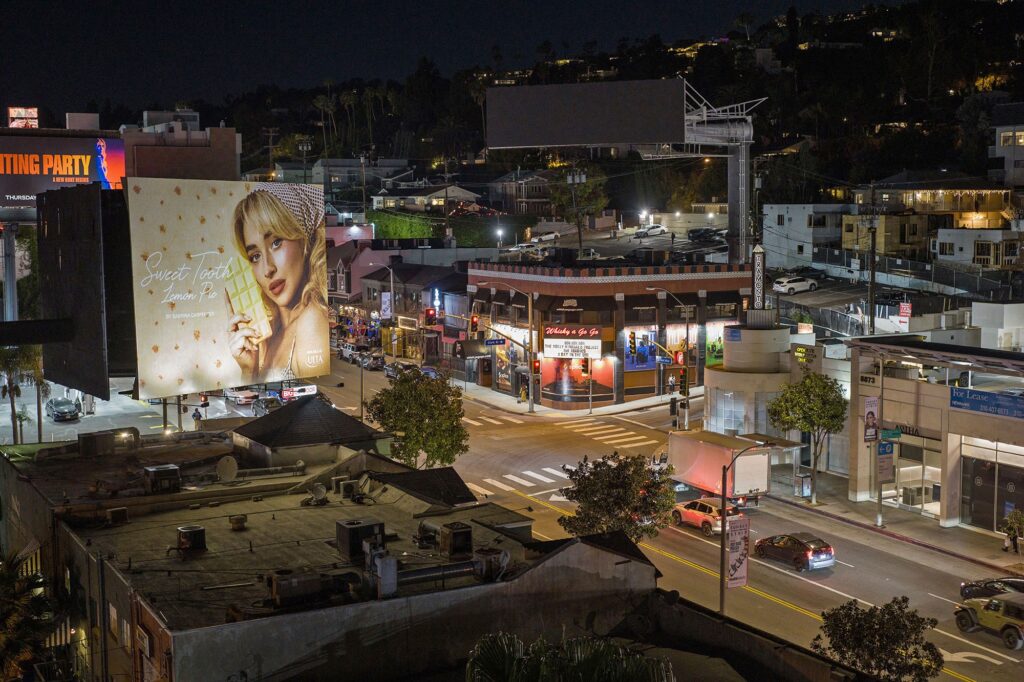
By the 2000s, the Strip was no longer defined by one genre or generation, but by its role in shaping artists’ careers and music culture.
The influence of the Strip also extended beyond its venues. As part of a larger entertainment ecosystem, music history unfolded onstage, in recording studios, and across enormous billboards lining Sunset Boulevard. Album releases, artist promotions, and music videos transformed the boulevard into a public showcase for the music industry, leaving a lasting mark on Los Angeles’s visual identity.
Who Gets Remembered?
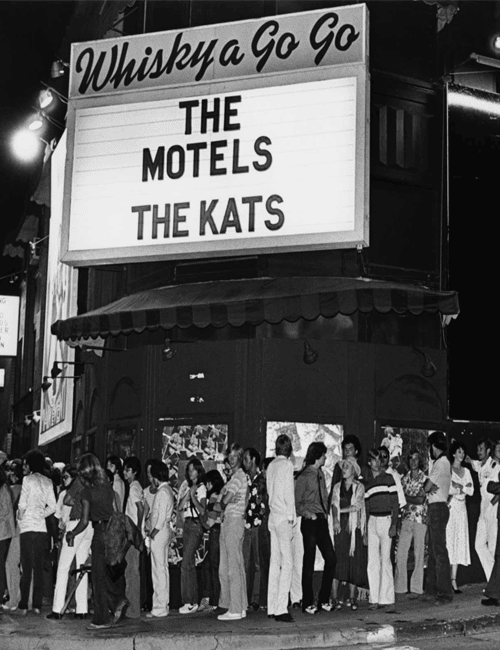
Like many historical narratives, the mythology surrounding the Sunset Strip elevates a handful of notable figures while leaving others on the margins. A fuller history asks who shaped the sound and filled the room, without receiving the same recognition as those in the spotlight.
While familiar stories often center on male musicians, women also significantly shaped the Strip’s rock history. In 1975, The Runaways, one of the first all-female rock bands associated with the scene, challenged conservative expectations of how young women should look and sound. Though the band lasted just four years, its impact endured. The Runaways shared bills with Cheap Trick, the Ramones, and Blondie, while later all-female bands, such as Bikini Kill and Babes in Toyland, drew inspiration from their sound and attitude.
Rock mythology also tends to gloss over the Black artists and musical traditions that helped lay its foundations. Rhythm and blues, gospel, and soul were central rock’s development, yet remain underrepresented in accounts of the Strip. Black musicians performed throughout Los Angeles and sometimes challenged the boundaries of its rock scene. In April 1966, Otis Redding brought his R&B revue to the Whisky a Go Go, a venue increasingly associated with white rock acts. These performances exposed local audiences to a different musical tradition while exposing the racial divide within the city’s music scene. The Strip’s history must therefore account for not only its famous bands but also the Black artists who helped shape American rock.
West Hollywood’s LGBTQ+ history is another overlooked part of the Strip’s cultural legacy. Long before the 1960s rock boom, queer performers, club owners, and audiences helped shape the area’s nightlife. Although they still faced policing and discrimination, the WeHo’s unincorporated status allowed some establishments greater flexibility in welcoming queer patrons and entertainers. Jane Jones’ Little Club, which operated from 1936 to 1939, catered to women, while Café Internationale and other businesses featured gender-nonconforming performers. Though queer nightlife and the rock scene were not interchangeable, their shared geography reflects a broader tradition of using entertainment spaces to express identities marginalized by mainstream society.

The Story Continues
The legend of the Strip remembers the stars in the spotlight, while the fuller history recognizes those who helped shape the sound. Today, the Sunset Strip’s musical legacy remains central to West Hollywood’s appeal, offering visitors a chance to experience its history while discovering the live music and nightlife that keep its entertainment culture alive.
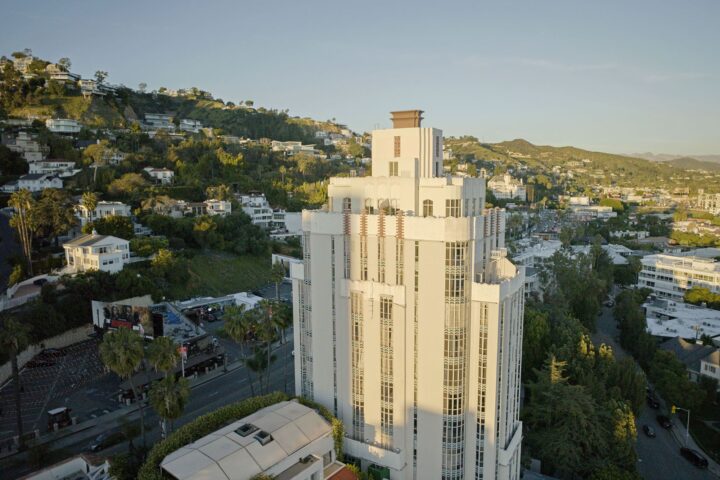
Today, West Hollywood’s hotels offer another way to experience the Strip’s spirit through live performances and music-focused spaces. Live at The Sun Rose, an intimate listening room inside The Sun Rose hotel, occupies the former House of Blues site and has hosted world-class talent like Stevie Wonder, Chappell Roan, T-Pain, and John Legend. Nearby, Hotel Ziggy celebrates the Strip’s rebellious spirit with music memorabilia, poolside DJ sets, and live shows at Backbeat. 1 Hotel West Hollywood hosts live music and DJ sessions in its Juniper Lounge and outdoor garden. If you’re looking for something new, the recently opened PUBLIC Hotel will feature Studio Lounge, a nightclub-style space signed for DJ sets, listening parties, and intimate live shows.


Other West Hollywood properties preserve the Strip’s legacy through memorabilia, art, and photography. The Andaz West Hollywood, once known as the “Riot House” for its rock-star clientele in the 1960s and 70s, now hosts rotating exhibitions and installations. These include Opus for a Madman, Todd Parsons’ photographs documenting Ozzy Osbourne and Black Sabbath’s final concert, on display until January 8, 2027. The Sunset Marquis, a favorite of musicians since 1963, maintains its industry ties with its NightBird Recording Studios and the Morrison Hotel Gallery, which showcases iconic music photography in the hotel lobby.
Music has always been at the heart of the Sunset Strip’s identity and still defines the legacy of West Hollywood as a place Where Music Happens. This November, Live On Sunset brings that legacy to life with a day of live entertainment and music in the heart of West Hollywood. Visitors can keep the music going with a stay at one of West Hollywood’s hotels along the Strip, making it easy to explore the venues, nightlife, and cultural landmarks that continue to shape this storied stretch of Sunset Boulevard.